The field of restorative dentistry is experiencing a major transformation as digital technologies become an integral part of everyday clinical practice. Modern workflows now enable dentists to move from diagnosis to restoration using connected digital systems that improve precision, efficiency, and patient comfort.
Unlike traditional restorative procedures that often require multiple appointments and laboratory involvement, today's digital workflows allow clinicians to complete many treatments within a single visit. By integrating digital impressions, computer-aided design, advanced manufacturing techniques, and high-performance restorative materials, dental professionals can deliver restorations more quickly while maintaining excellent clinical quality.
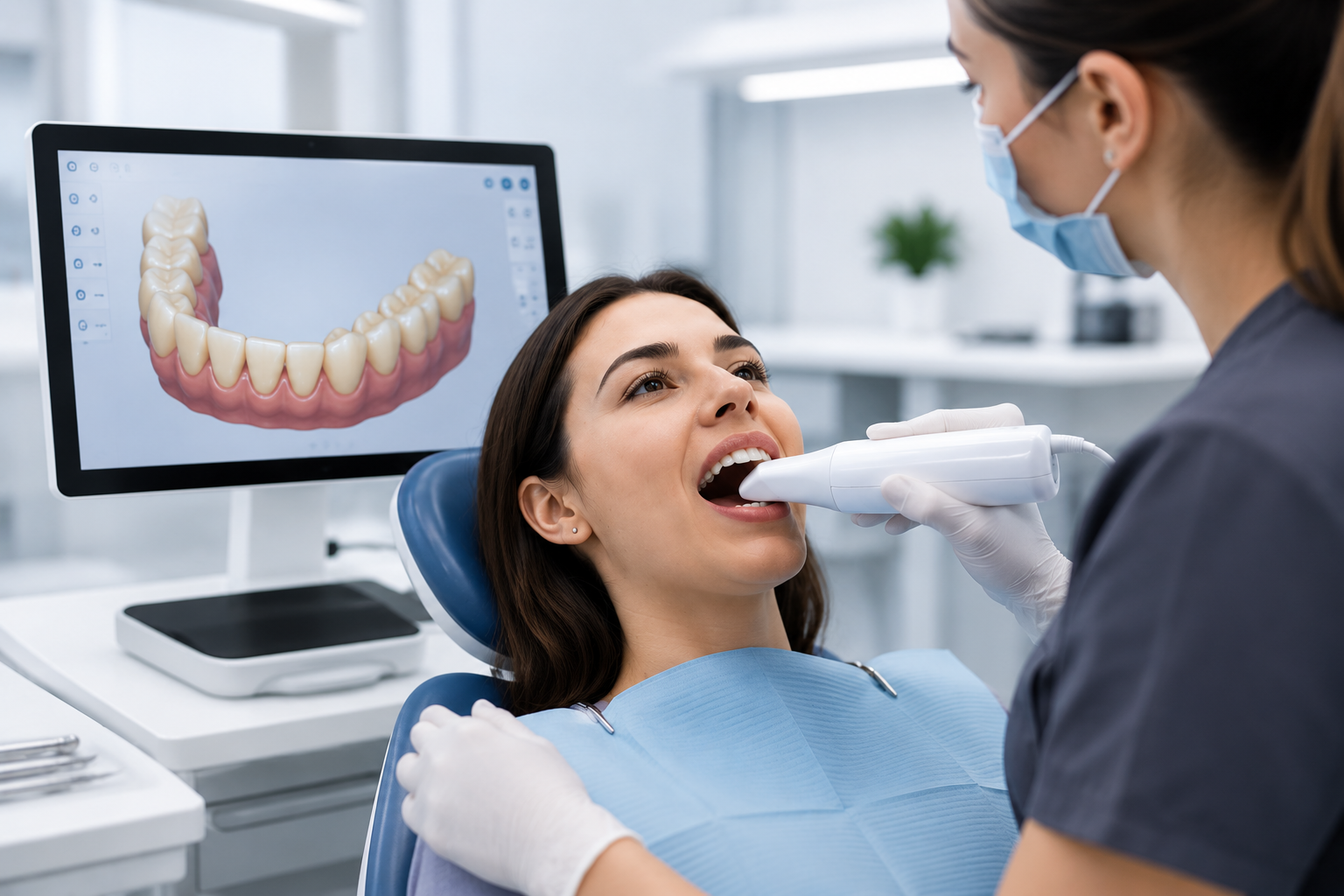
The process typically begins with an intraoral scanner, which captures highly accurate three-dimensional images of the patient's dentition. These digital impressions eliminate many of the limitations associated with conventional impression materials and provide a more comfortable experience for patients.
Once the digital scan is completed, specialized design software enables clinicians to create customized restorations that closely match the patient's natural anatomy. Modern software solutions offer intuitive tools that help improve design accuracy while reducing the time required for treatment planning.
Manufacturing technologies such as 3D printing are expanding the possibilities of chairside dentistry. These systems can rapidly fabricate restorations and other dental components with remarkable precision, allowing clinicians to shorten production times and increase workflow efficiency.
Material innovation has also played a significant role in advancing digital restorative care. Today's restorative materials are engineered to provide excellent strength, natural esthetics, wear resistance, and long-term durability. As a result, clinicians can confidently deliver restorations that satisfy both functional and cosmetic expectations.
Finishing and polishing remain essential steps in the restorative process. Proper adjustment and surface refinement ensure accurate fit, patient comfort, and a natural appearance before the restoration is placed.
For dental practices, adopting a fully digital workflow offers numerous advantages beyond clinical precision. Reduced appointment times, streamlined communication, improved productivity, and enhanced patient satisfaction contribute to a more efficient practice environment. Patients also benefit from fewer visits, faster treatment completion, and a more convenient overall experience.
As digital technologies continue to advance, integrated restorative workflows are expected to become a standard component of modern dental care. Ongoing education and hands-on training will remain essential in helping clinicians confidently incorporate these innovations into daily practice while delivering high-quality, patient-centered restorative treatment.
How Integrated Digital Workflows Are Transforming Modern Restorative Dentistry
July 04, 2026 · By Admin